 130 Centerville Road, Lancaster, PA 17603


 Rate Estimator

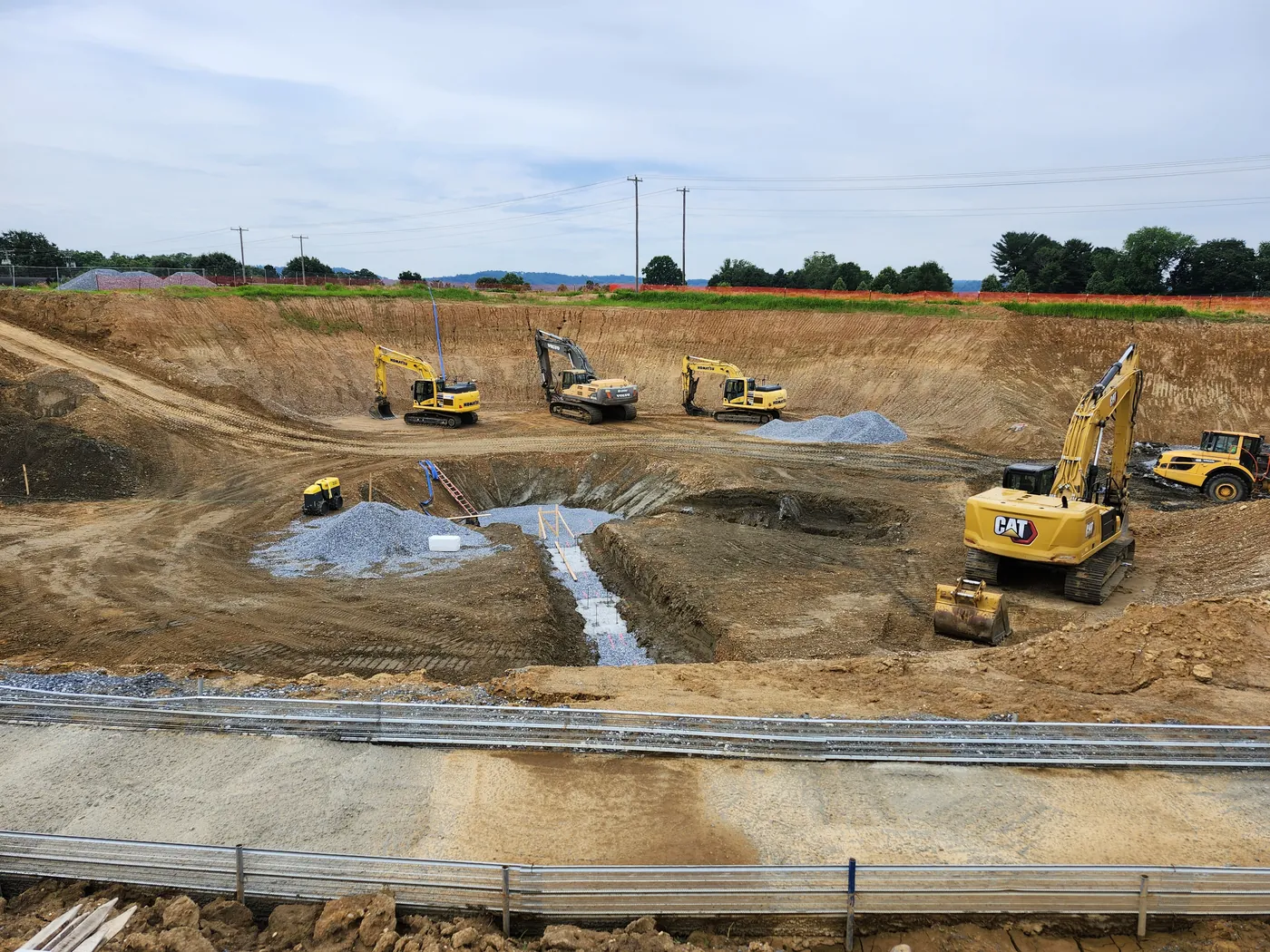 Construction UpdateJuly 2026
Blue Rock WRRF Project Remains on Schedule
Six months in — stormwater facilities installed, largest excavation nearly complete.
Read the update → 717-299-4843
 717-299-9658

 Cleaner Water
LASA is making long-term investments in wastewater treatment and infrastructure to ensure reliable service, protect public health, and improve water quality for more than 125,000 residents and businesses.


LASA’s wastewater system was originally constructed between 1965 and 1972, and many components have been in service for more than 50 years. These improvements modernize aging infrastructure, improve nutrient removal, and maintain reliable service for our community.
Delaying them increases the risk of service disruptions, system failures, and impacts to local waterways — so the work spans the entire system, from treatment processes to the pipes beneath our streets.
Upgrades to treatment processes and equipment at the Blue Rock WRRF.
Improving reliability and reducing overflow risks across the system.
Rehabilitating aging pipelines and interceptors to manage flow.
Replacing critical infrastructure that has reached the end of its useful life.
These improvements reduce the risk of service disruptions for homes and businesses while improving local waterways and supporting Chesapeake Bay restoration efforts.
Reduce the risk of sewer backups and service disruptions.
Improve water quality in local streams, rivers & the Bay.
Protect public health across homes, neighborhoods & businesses.
Support reliable long-term service for generations to come.
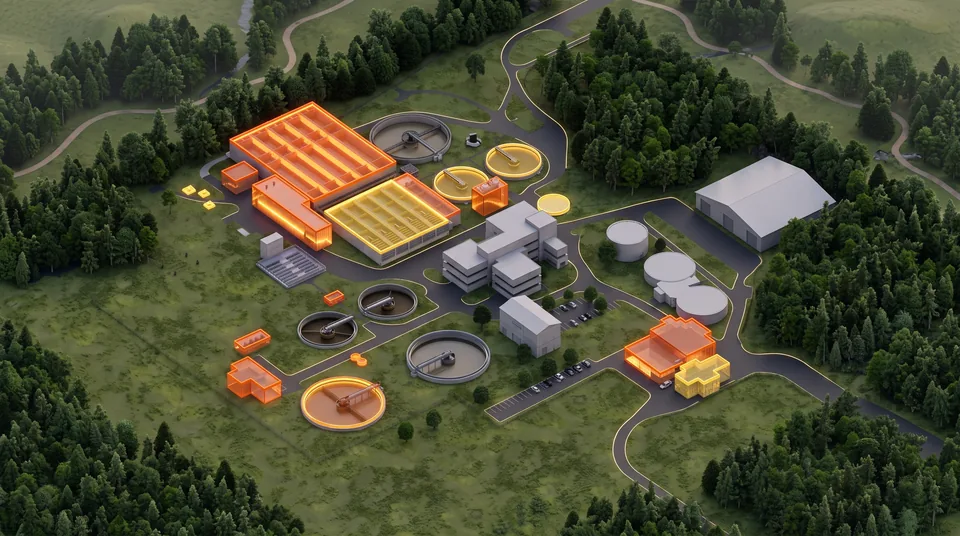
A key component of LASA’s system improvements is the ongoing upgrade to the Blue Rock Water Resource Recovery Facility in Washington Boro. These upgrades will improve nutrient removal and support Chesapeake Bay restoration efforts.
LASA is funding these improvements through a balanced approach — reserves, bonds, loans, and gradual, phased rate adjustments over time — to keep costs manageable for customers.
Spreading the investment across multiple sources limits the share customers carry through rates.
Illustrative proportions. Final funding breakdown to be supplied by LASA Finance.
Find your quarterly sewer rate and how it changes over the next five years.
| Period | Quarterly |
|---|
Applies to residential and small commercial customers (under 21,500 per quarter). Large commercial rates vary — please contact customer service.
Press releases, project documents, photos, and video for the Blue Rock WRRF project — free to use by press, partners, and the community. Please credit the Lancaster Area Sewer Authority (LASA).
Construction UpdateJuly 2026
Six months in — stormwater facilities installed, largest excavation nearly complete.
Read the update → System Upgrades Press Release
LASA’s July 2026 announcement of system-wide investments to improve reliability, protect public health, and enhance water quality.
Download ↓
 System Upgrades FAQ
Answers to common questions about the improvement plan — scope, funding, timeline, and what it means for customers.
Download ↓
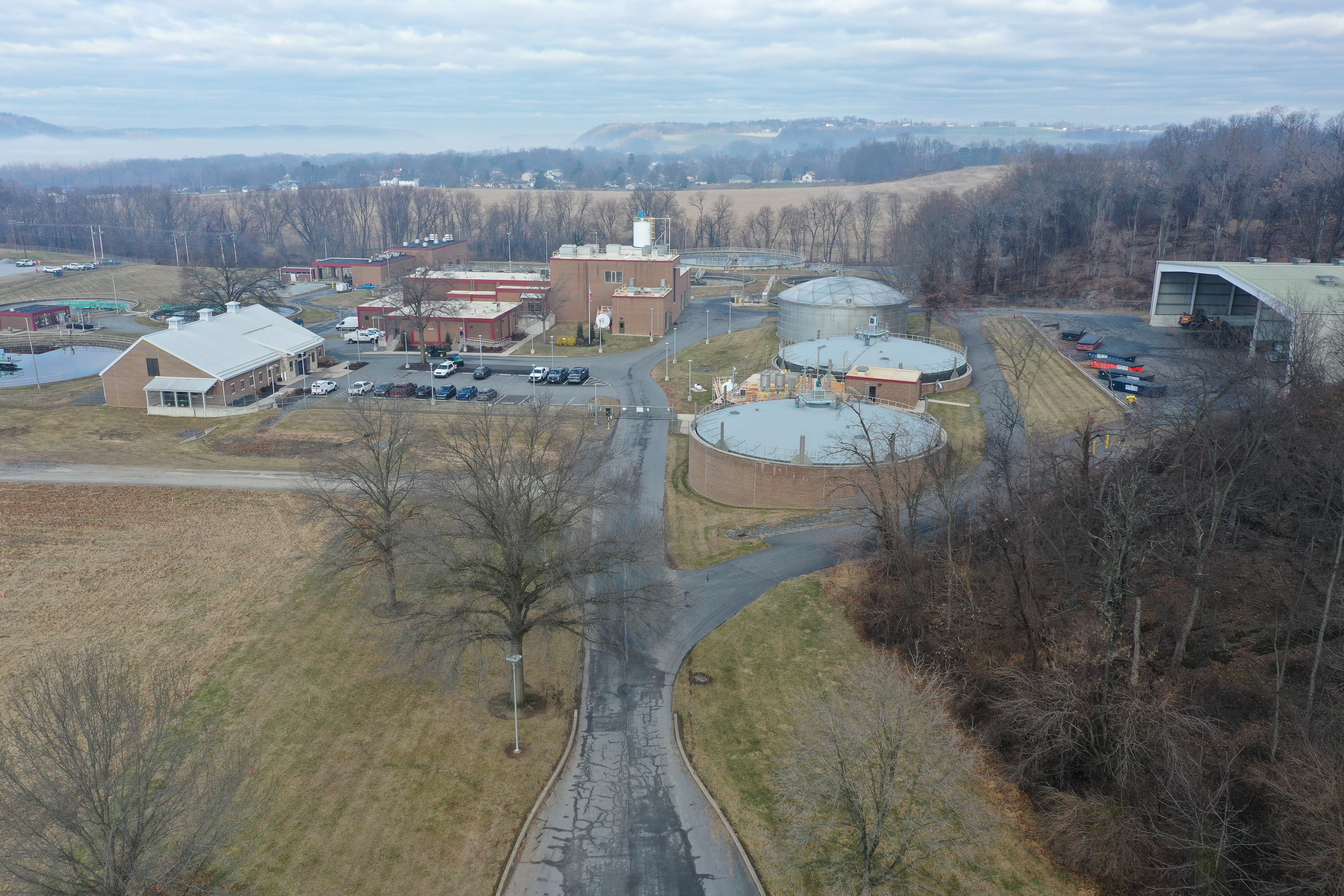
Blue Rock Water Resource Recovery Facility in Washington Boro prior to the start of LASA’s capital improvement project.
Download full resolution ↓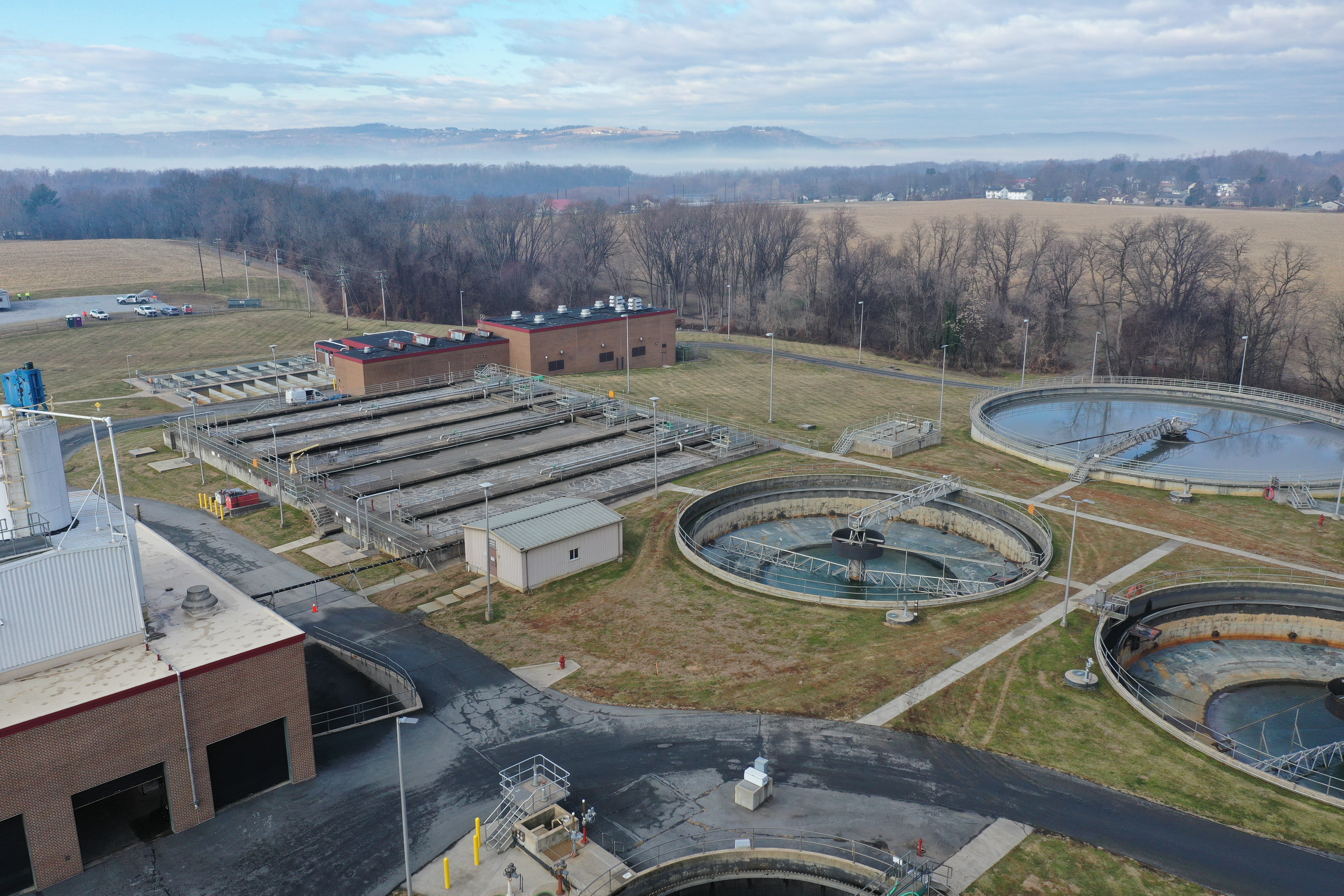
Drone image of the Blue Rock Water Resource Recovery Facility in Washington Boro prior to the start of LASA’s capital improvement project.
Download full resolution ↓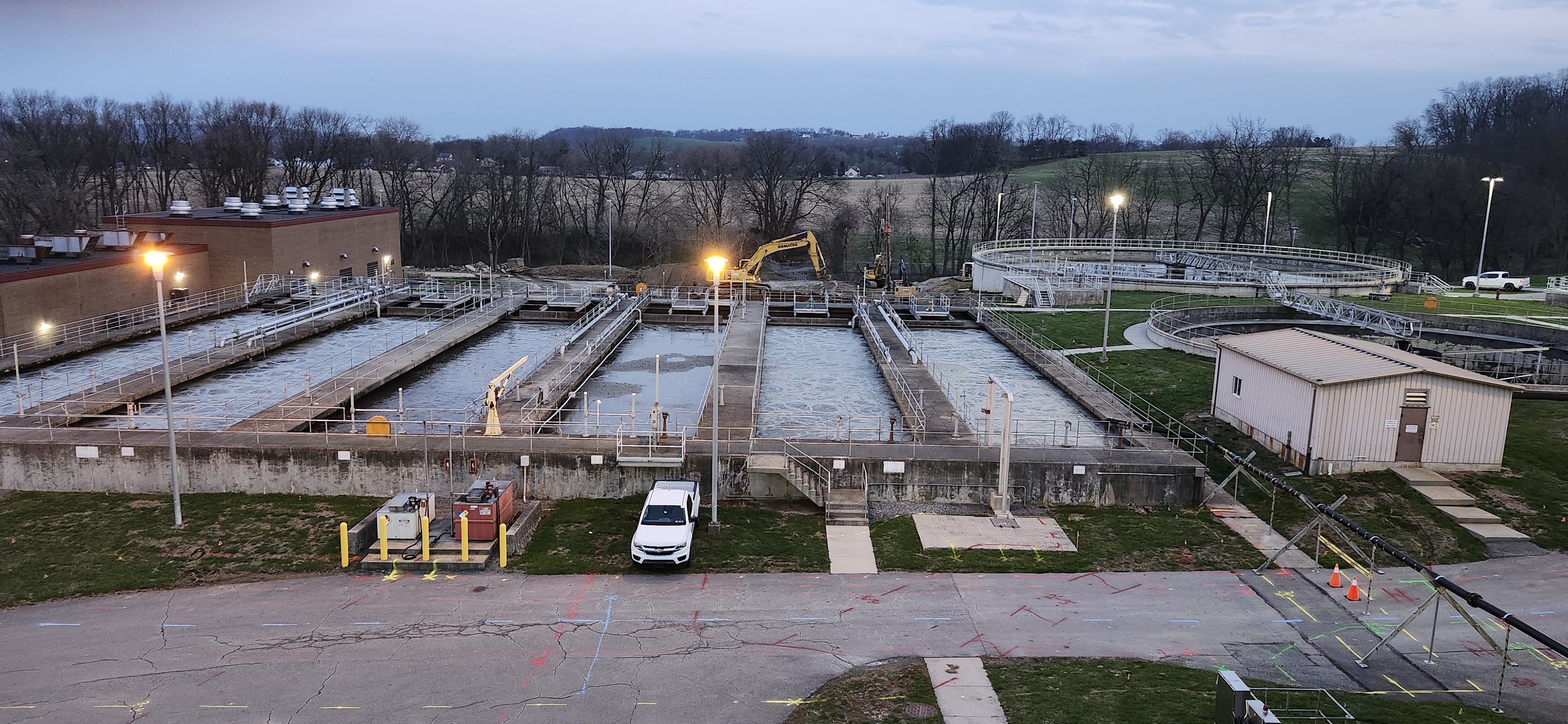
Drone image of LASA’s Blue Rock WRRF before construction began on the facility’s modernization project.
Download full resolution ↓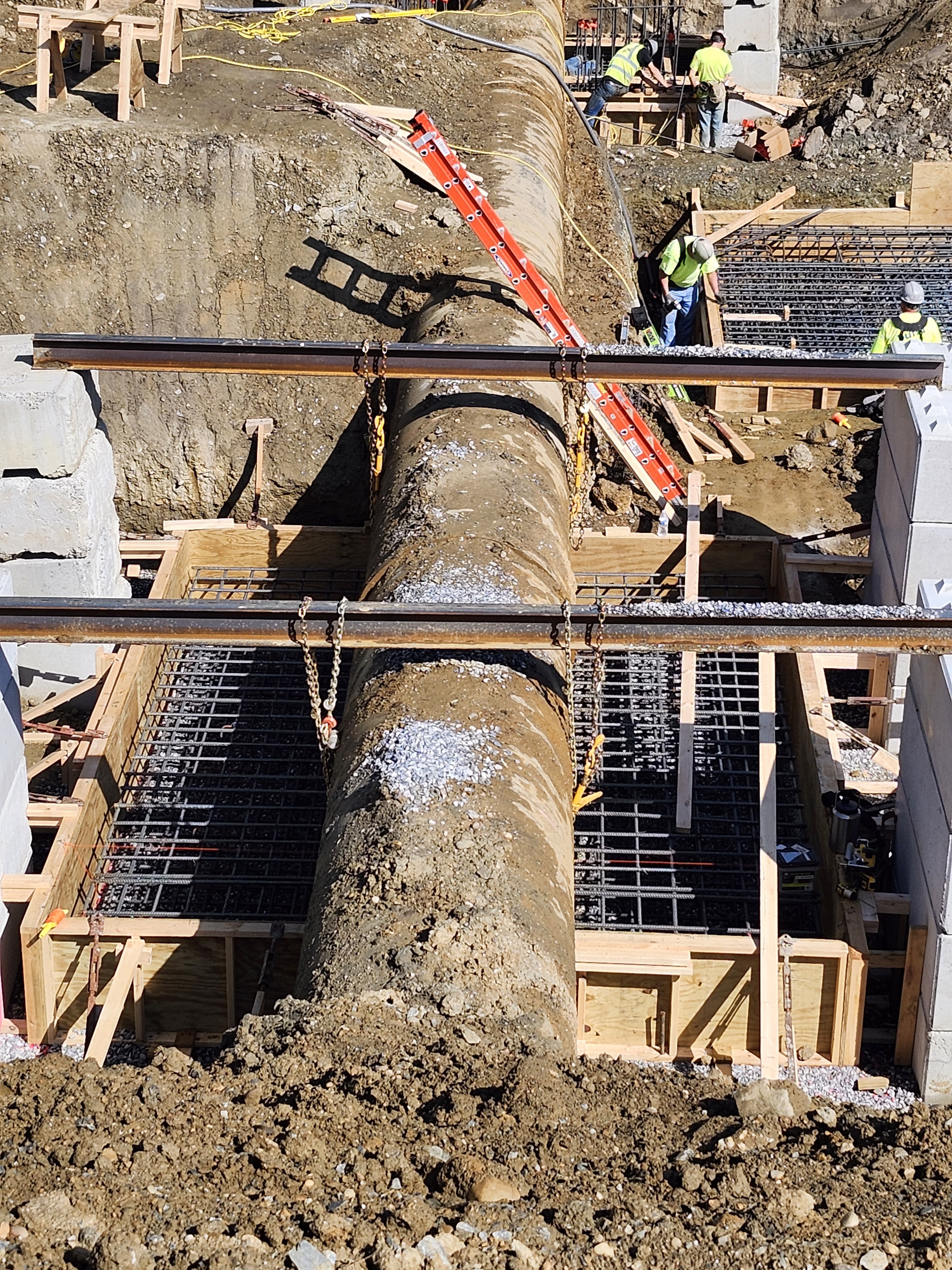
Construction crews work on new wastewater treatment infrastructure at the Lancaster Area Sewer Authority’s Blue Rock Water Resource Recovery Facility in Washington Boro, Pennsylvania.
Download full resolution ↓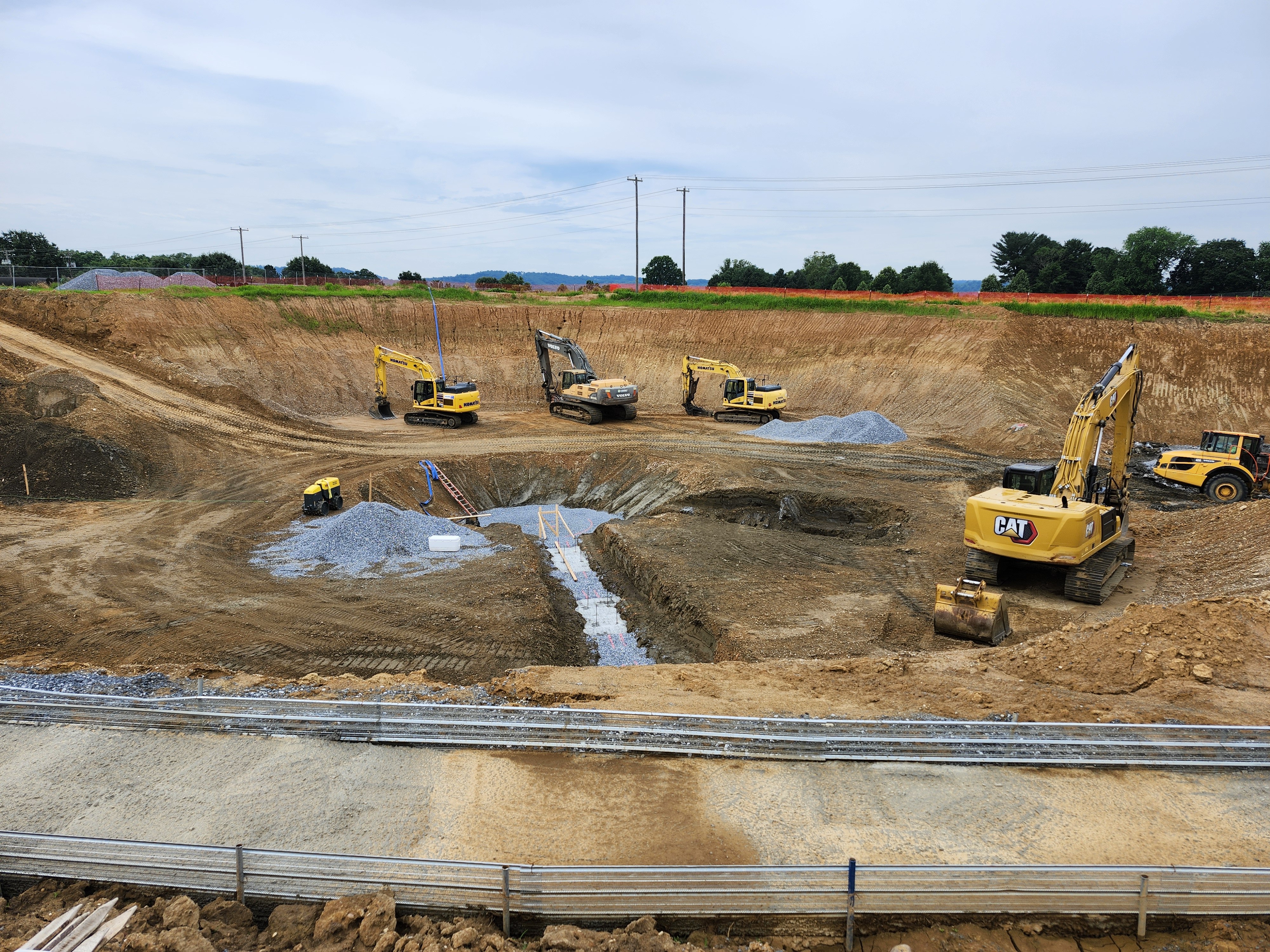
Heavy equipment works on excavation and site preparation at the Lancaster Area Sewer Authority’s Blue Rock Water Resource Recovery Facility in Washington Boro, Pennsylvania.
Download full resolution ↓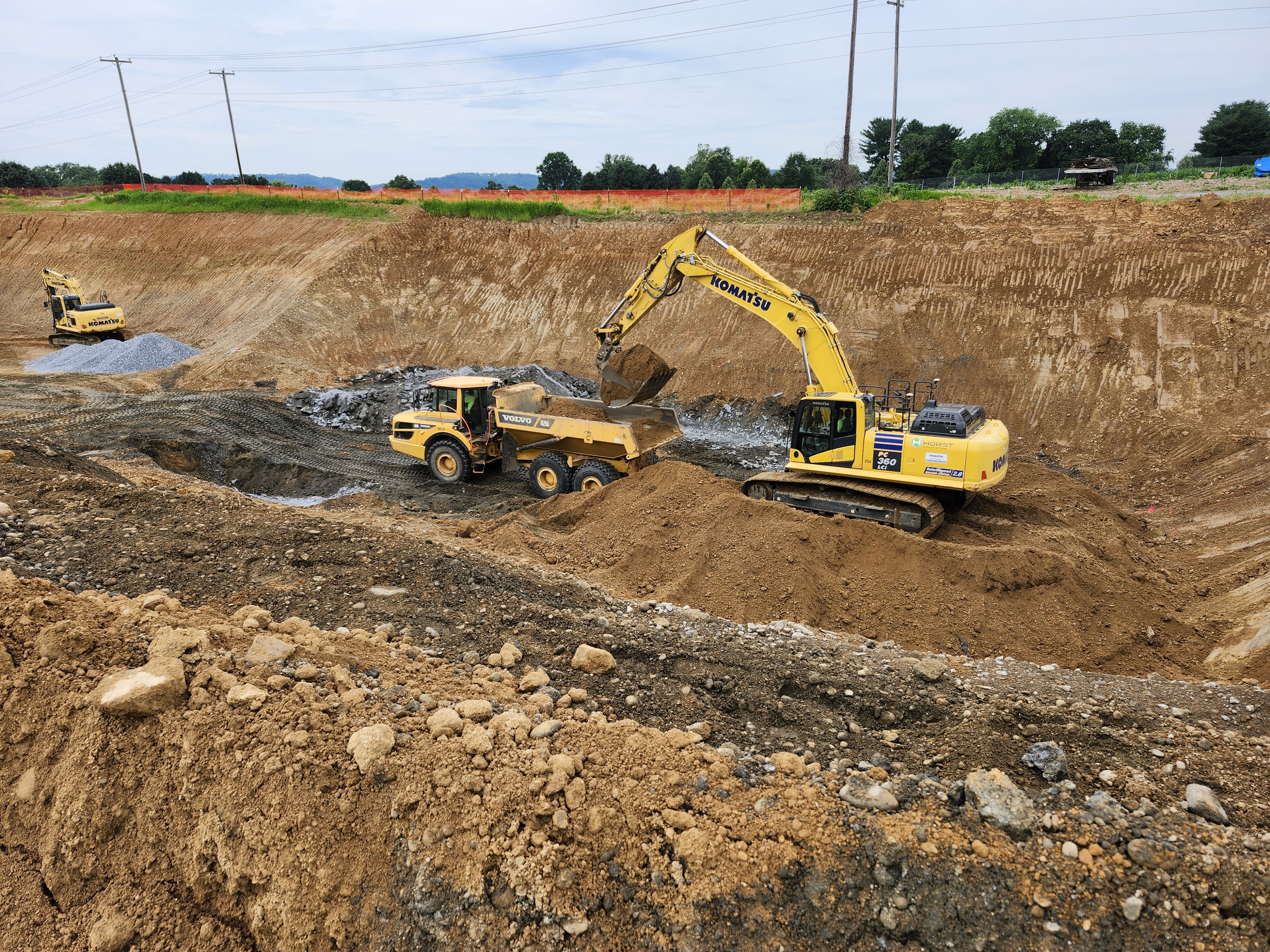
Excavation and site preparation at LASA’s Blue Rock Water Resource Recovery Facility in Washington Boro. The project will modernize wastewater treatment, improve water quality, and strengthen long-term system reliability.
Download full resolution ↓Drone footage of the facility before the modernization project began (2:45).
Download video (MP4)Questions about the project, your rates, or construction in your area? Our team is here to help — reach out and we’ll get back to you.
Contact Us →